Services Our Process About Request a Quote
← Back to Services

Topographical
Surveys

Accurate site features, ground levels and constraints captured to OS grid coordinates — supporting planning applications, feasibility studies and design development.
Request a Quote FAQs
OS
Grid Coordinates
DWG
CAD Output
PDF
Print-Ready
1:200
Typical Scale
Fast
Turnaround
Topographical Survey

Add photo: topo-hero.jpg

Recommended 1400 x 600px

On-site topographical survey capturing ground levels, site features and boundaries to OS grid coordinates for planning and development.

Site Levels OS Coordinates Contours DWG Output

What is a Topographical Survey?

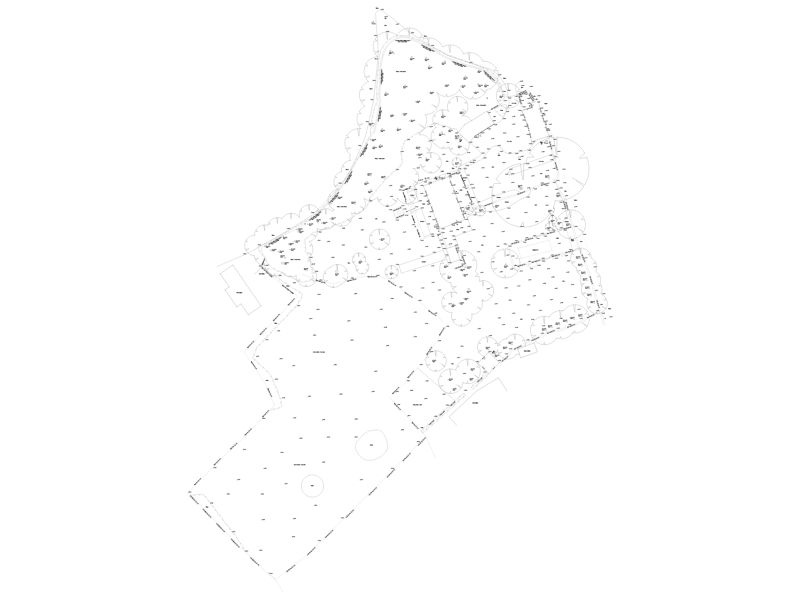
A topographical survey records the physical characteristics of a site, including all natural and man-made features and changes in ground level. This information provides an essential base for planning applications, feasibility studies and design development.

Without accurate topographical data, designers are working with incomplete or assumed information about a site — which can lead to costly revisions later. A topographical survey removes that uncertainty from the very start of a project.

What We Can Provide

Our topographical surveys are tailored to each site and project. Depending on your requirements, we can record and provide:

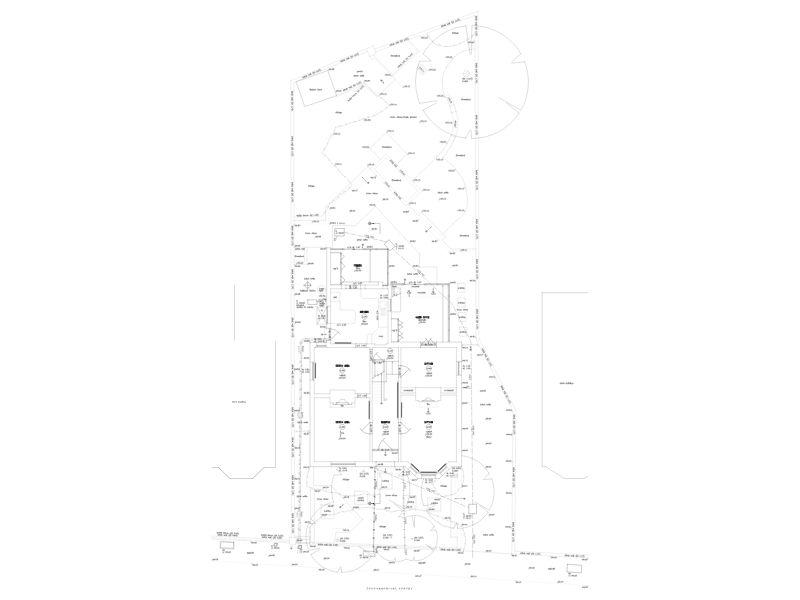
  • Ground levels and spot heights across the site
  • Contour lines at agreed intervals
  • Buildings and structures with heights
  • Boundaries, walls and fencing
  • Roads, footpaths, kerbs and hardstanding
  • Drainage features, manholes and service covers
  • Trees and vegetation (including root protection areas where required)
  • Street furniture, signage and utility covers
  • Combined topo and measured building drawings where required

What We Survey

  • Residential development plots of all sizes
  • Commercial and mixed-use development sites
  • Infrastructure, access and highway schemes
  • Urban and rural sites
  • Constrained or complex sites requiring careful methodology

Our Surveying Process

1

Fast, Accurate Data Collection

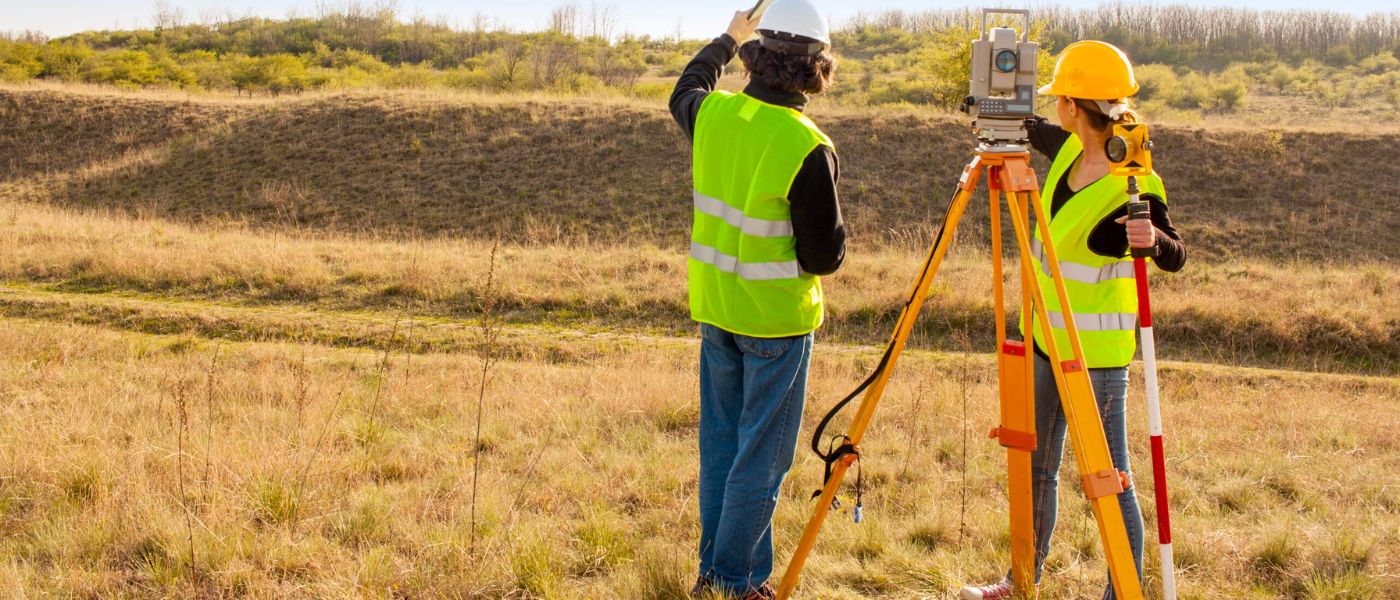
Site data is captured efficiently using modern surveying equipment. Where required, surveys are carried out to Ordnance Survey National Grid coordinates and OS datum levels — ensuring accurate spatial control and compatibility with planning submissions, existing site data and all consultant information from the outset.

2

Data Analysis & Quality Assurance

All captured data is carefully processed and validated. Coordinate control, level information and feature accuracy are reviewed as part of our QA process to ensure the survey provides a reliable and consistent foundation for design.

3

Fast, Reliable Delivery

Final topographical drawings are produced using professional CAD workflows and issued in agreed formats and timescales, structured for direct use in planning submissions and design software.

Why Choose SurveyX

OS Coordinate Control

Surveys completed to OS National Grid and OS datum ensure your data is compatible with planning authority requirements and integrates seamlessly with other consultant datasets.

Reliable Site Data

Accurate, dependable site information from the outset — supporting informed design and planning decisions and reducing the risk of costly surprises during construction.

Industry-Standard CAD Outputs

All drawings produced using professional CAD workflows, compatible with AutoCAD, BricsCAD and commonly used design and engineering software.

Clear, Well-Structured Plans

Topographical drawings are clearly annotated and logically structured — easy to interpret from day one, with no significant rework needed before design begins.

Experience Across Site Types

We have experience across a wide range of site types, sizes and constraints, adapting our methodology to suit each project.

In Depth

What is a Topographical Survey?

A topographical survey — also called a land survey or topo survey — records the physical characteristics of a site in precise detail. This includes the shape and levels of the ground, all buildings and structures, boundaries, roads, drainage features, trees and any other significant site features.

The survey data is processed to produce detailed CAD drawings that give designers, engineers and planners a complete and accurate picture of the site as it exists — a critical foundation for any development, extension or infrastructure project.

Unlike measured building surveys which focus on what is inside and on the faces of a building, topographical surveys focus on the site itself — the ground, its levels, features and boundaries. The two services complement each other and are often commissioned together for projects involving both a building and its surrounding site.

How We Survey Your Site

Our topographical surveys use professional surveying equipment and established field techniques to capture accurate, consistent site data that meets the standards expected by planning authorities, engineers and design consultants.

Survey equipment

We use total stations, GPS/GNSS equipment and digital levels to capture accurate spatial data across the site. Equipment is regularly calibrated to ensure measurement accuracy is maintained.

OS coordinate control

Surveys are carried out to Ordnance Survey National Grid (OSGB36) coordinates and OS Newlyn Datum (mAOD) levels as standard where required. This ensures compatibility with Ordnance Survey mapping, planning authority data and other consultant datasets working on the same project.

Feature capture

Every significant site feature is captured — ground levels, buildings, boundaries, roads, kerbs, drainage, trees and vegetation. The scope of feature capture is agreed with you before the survey to ensure all information you need is recorded in a single site visit.

Data processing

Field data is processed using professional survey software to produce clean, accurate datasets before any drawings are produced. Level networks are checked and adjusted as required to ensure consistency across the site.

CAD production

Topographical drawings are produced in AutoCAD with clean layer structure, clear annotation of levels and features, and presentation suitable for planning submissions and design use.

Contour generation

Contours are generated from the survey data at the agreed interval (typically 0.25m, 0.5m or 1.0m) and checked against individual spot levels to ensure they accurately represent the ground surface.

Why Commission a Survey

The Value of Accurate Site Data

01

Design with confidence

Accurate levels and feature data allow architects and engineers to design with the site's real constraints and opportunities in mind — not assumptions.

02

Support planning submissions

Local planning authorities expect accurate topographical data as part of a planning application. Professional survey drawings demonstrate a considered, compliant approach.

03

Identify constraints early

A topographical survey reveals drainage fall directions, level changes, boundary conflicts and access constraints before design begins — when they are cheapest to address.

04

Coordinate with other consultants

OS grid coordinates ensure your topo data aligns seamlessly with surveys and drawings from other consultants — structural, drainage, ecological — working on the same project.

05

Enable accurate costing

Contractors and quantity surveyors need accurate level data to estimate earthworks, drainage and foundation costs. Inaccurate site levels are a common cause of budget overruns.

06

Satisfy drainage requirements

Drainage engineers require accurate level data to design effective surface water and foul drainage schemes. A topo survey is an essential input for any drainage design.

What Goes Wrong Without a Proper Survey

Many development projects run into avoidable problems because of inadequate site survey data at the outset. Here are the most common issues.

Using Ordnance Survey mapping as a site plan

OS maps show general location but are not accurate enough for design or construction. They lack detailed level data, precise boundary positions and current site features.

Estimating levels from visual inspection

Ground levels cannot be reliably estimated by eye. Even apparently flat sites often have significant level variation that materially affects drainage design, floor levels and foundation costs.

Ignoring boundary features

Assumed boundary positions can differ significantly from actual boundaries — leading to legal disputes, planning refusals and costly design changes if discovered late.

Drainage design without level data

Drainage schemes designed without accurate site levels frequently fail to achieve the required falls — resulting in drainage that does not work and expensive remedial works.

Planning submissions without a topo

Many planning applications are held up or rejected because accurate existing site information has not been provided. A professional topographical survey addresses this from the outset.

Pricing Guidance

What Affects the Cost

Topographical survey costs vary depending on the size and nature of the site. We provide clear, itemised quotes with no hidden charges.

Site size

The single biggest factor — larger sites take longer to survey and produce more complex drawings. We quote based on the area to be surveyed.

Feature density

Sites with many features — mature trees, complex drainage, extensive hardstanding — take longer to survey thoroughly than simple open plots.

Level of detail required

A standard topo with contours and spot levels costs less than a detailed survey including drainage records, tree survey data and a combined building survey.

OS coordinate requirement

Surveys tied to OS National Grid require additional control work. This is standard practice for planning submissions and is included in most of our quotes.

Site access and conditions

Sites with restricted access, vegetation, steep terrain or difficult ground conditions take longer and may affect the overall cost.

Combined services

Commissioning a topographical and measured building survey together is often more cost-effective than two separate surveys — one site visit captures both datasets.

Get a clear quote

Tell us about your site and project. We'll provide a competitive, itemised quote — most enquiries are responded to within 1 working day.

Request a Free Quote
Who This Service Is For

Built for Your Project

Developers

Understand site constraints before committing to design or purchase.

Architects

Accurate site data to begin scheme design from verified ground conditions.

Civil Engineers

Level data and site features for drainage, highway and infrastructure design.

Landscape Architects

Contour and level data to design ground modelling and landscaping schemes.

Planning Consultants

Survey drawings prepared to support planning authority submissions.

Contractors

Accurate site levels for cut-and-fill calculations and programme planning.

Common Applications

When You Need a Topographical Survey

A topographical survey is typically one of the first pieces of information required on any development project. Here are the most common scenarios.

Planning Applications

Many local planning authorities require accurate topographical data as part of a submission. It demonstrates an informed, considered approach to the site and the constraints it presents.

Site Feasibility Studies

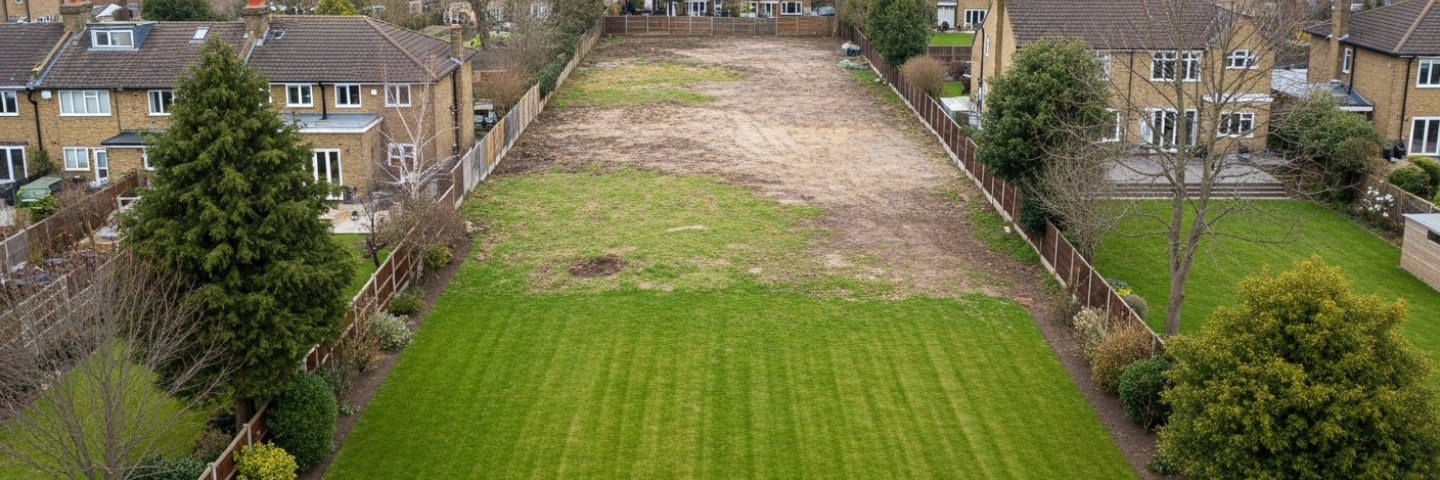
Before investing in design, a topographical survey reveals the true character of a site — levels, constraints, boundaries and features — allowing informed decisions on scheme viability.

Drainage & Infrastructure Design

Accurate level data is essential for drainage engineers to design effective surface water and foul drainage schemes that work with the natural topography of the site.

New Build Developments

Residential and commercial new-build projects require accurate site surveys to establish levels, boundaries and existing features before any design or groundworks begin.

Highway & Access Design

Topographical surveys provide the level and feature data required to design access roads, vehicle tracking and highway improvements to adoptable standards.

Flood Risk Assessments

Accurate ground level data is a key input for flood risk assessments, especially on sites near watercourses or within defined flood zones.

Frequently Asked Questions

Common Questions

The OS National Grid is the standard coordinate system used across the UK. Surveys carried out to OS grid mean your data aligns with Ordnance Survey mapping, other consultant data and planning authority requirements — essential when multiple consultants need a consistent spatial reference.
We can survey sites of all sizes — from small urban plots surveyed in a few hours to large rural development sites requiring a full day or more. We'll give you a clear timescale and cost estimate based on your site and requirements.
Yes. Trees and vegetation can be included as standard, showing approximate canopy spread and trunk positions. Where root protection areas are required for planning or tree preservation purposes, we work to requirements specified by an arboriculturist or planning authority.
Absolutely — this is a very common combination, particularly for extension and refurbishment projects. Carrying out both surveys in one visit saves time, reduces access disruption and ensures the site and building data share a common coordinate reference.
The contour interval is agreed based on your requirements. Common intervals are 0.25m, 0.5m or 1.0m depending on site gradient and level of detail needed. For flat sites or detailed drainage design, closer intervals may be appropriate.
Turnaround is agreed at the start of each project. For most topographical surveys we aim to issue drawings within 5–10 working days of the site visit. Faster turnaround is available — please mention this when enquiring.

Request a Topographical Survey Quote

Tell us about your site and we'll get back to you with a clear, competitive quote within 1 working day.

✓  OS grid coordinates available
✓  Combined topo & building surveys
✓  Full UK Coverage

We respond to all enquiries within 1 working day.